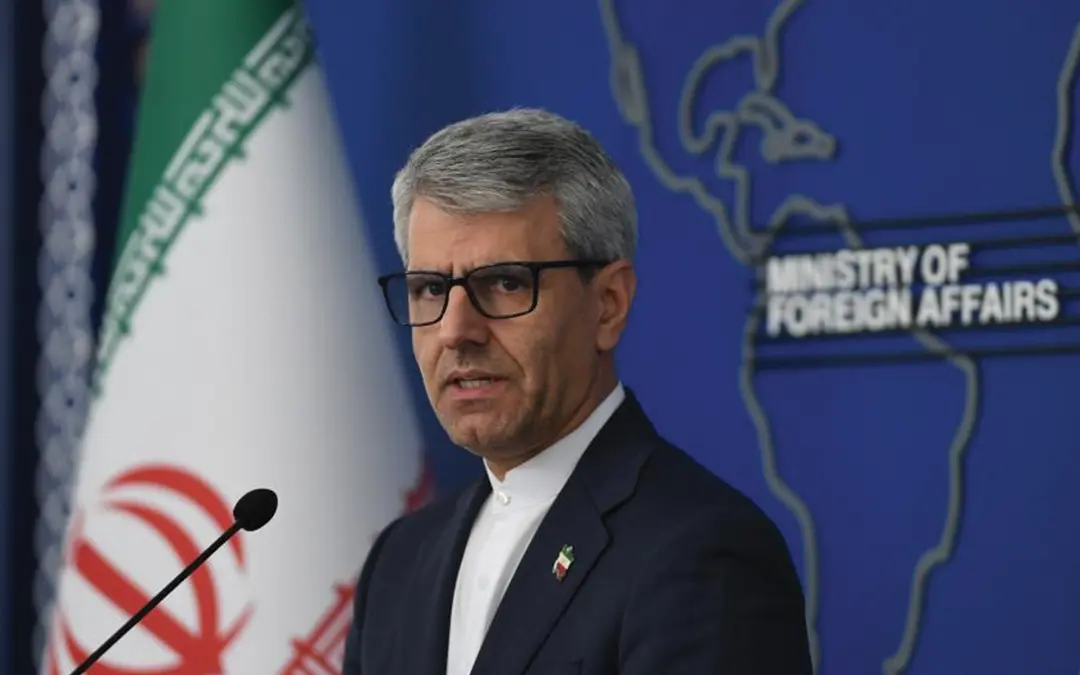
The diplomatic standoff between Washington and Tehran intensified today, Monday, April 20, 2026, as Iranian officials categorically rejected President Donald Trump’s recent claims regarding a breakthrough in nuclear negotiations.
1. “False Claims” and Nuclear Defiance
Iranian authorities have dismissed assertions that a final peace deal is “very close” or that they have agreed to surrender their nuclear material.
- Stockpile Denial: Foreign Ministry spokesperson Esmaeil Baghaei stated clearly on state TV that Iran’s enriched uranium “is not going to be transferred anywhere.” He emphasized that moving the stockpile to the U.S. has never been a point of negotiation.
- Trump’s “Nuclear Dust” Comment: The rejection comes after President Trump posted on Truth Social that the U.S. would soon retrieve “all Nuclear ‘Dust'”—a reference to uranium allegedly buried during past U.S. strikes.
- Enrichment Continues: Sources in Tehran have indicated that Iran has no intention of halting its enrichment program, despite a reported U.S. proposal for a 20-year pause. Iran had counter-offered a five-year suspension, which Washington rejected.
2. Blockade Escalation: The “Touska” Incident
The naval blockade of the Strait of Hormuz has turned violent, marking the first direct kinetic action by the U.S. Navy since the blockade began on April 13.
- The Seizure: On Sunday, April 19, the U.S. guided-missile destroyer USS Spruance fired on and disabled the Iranian-flagged cargo ship Touska in the Gulf of Oman.
- Engine Room Strike: President Trump confirmed the action, stating the ship ignored warnings to stop and was “stopped right in their tracks” after a hole was blown into its engine room. The vessel was subsequently seized by the 31st Marine Expeditionary Unit.
- Vow of Retaliation: Iran’s military command has labeled the incident “armed piracy” and vowed a swift response. Tehran maintains that the blockade is a violation of the current ceasefire.
3. Economic and Humanitarian Impact
The ongoing “total economic shutdown” is causing severe strain on both Iranian and global systems.
- Revenue Loss: The blockade is estimated to be costing Iran approximately $400 million per day in lost oil and trade revenue.
- Oil Well Crisis: Experts warn that if the blockade is not lifted by April 26, Iranian oil wells face permanent damage or destruction due to “overflow” as storage capacities reach their absolute limits.
- Market Volatility: Oil prices surged again following the Touska incident, with Brent crude climbing 6.5% to $96.25 per barrel in early Monday trading.
4. Diplomatic Deadlock in Islamabad
While the U.S. delegation has traveled to Pakistan for another round of “Islamabad Talks,” the prospects for a resolution today appear dim.
- No-Show: Iran has indicated it is not currently planning to attend this specific session, citing the U.S. naval aggression and the “contradictions and lies” in American statements as reasons for the boycott.
- Vatican Friction: Pope Leo XIV remains vocal in his opposition to the blockade, describing the current U.S. strategy as “truly unacceptable.”
Discover more empowering stories and insightful content like this on YOUxTalks, your go-to destination for inspiration and knowledge.
Follow YOUxTalks on Instagram: https://www.instagram.com/youxtalks