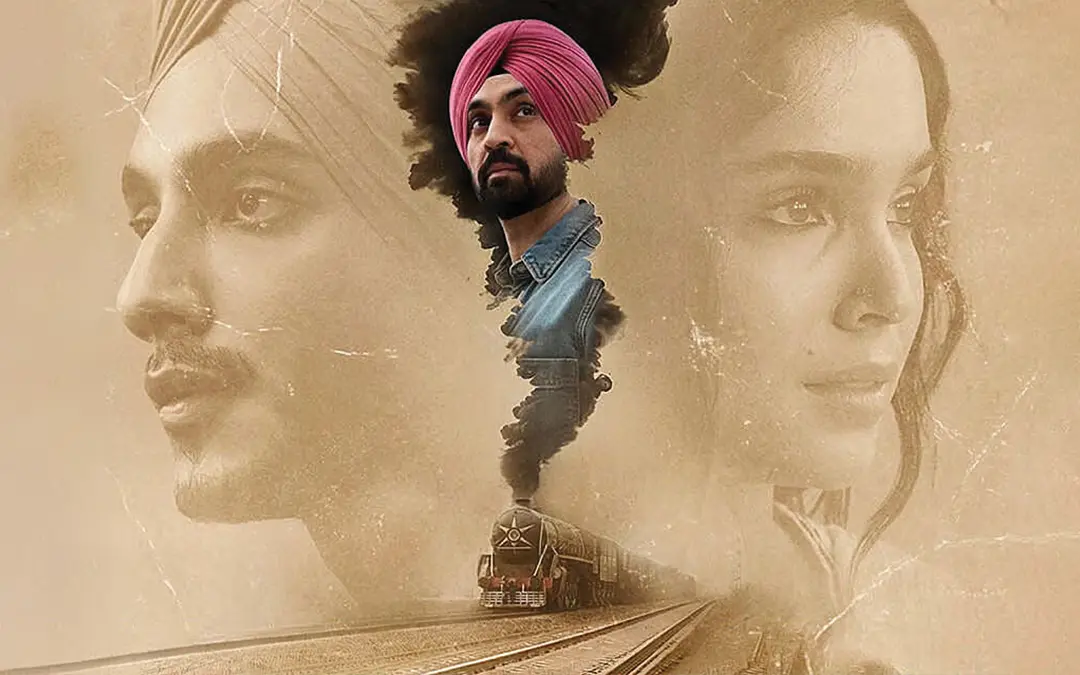
Imtiaz Ali has built his entire cinematic legacy on characters who run away to find themselves. In Main Vaapas Aaunga, he shifts that gaze outward, crafting a deeply poetic, multi-generational conversation about what happens when running away is your only option for survival. It is a visually striking, emotionally heavy film that trades quick political commentary for a raw, lyrical look at historical grief.
The Plot: Unlocking the Vault of Memory
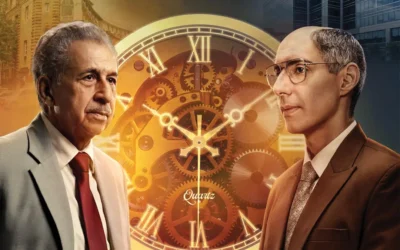
The narrative operates across a beautifully stitched non-linear structure. In the present-day timeline, Nirvair (Diljit Dosanjh) is a classic, conflicted Imtiaz protagonist—a deeply anxious software engineer who has just walked away from his third corporate job in London to pursue a struggling stand-up comedy dream. He returns to India after receiving a frantic call that his grandfather, Ishar Singh Grewal (Naseeruddin Shah), has suffered a severe stroke.
As Ishar lies on his deathbed drifting in and out of dementia, his suppressed agony bubbles over in tormented, cryptic ramblings about a past life. This serves as the emotional bridge to 1947 Punjab.
Through vivid flashbacks, we meet a young, carefree Ishar, fondly called Keenu (Vedang Raina), navigating a starry-eyed, playful romance with his beloved Jiya (Sharvari) in the undivided city of Sargodha. The pristine, sun-washed harmony of their youth is violently shattered when the lines of Partition are drawn overnight. Forced to flee and drop everything behind, Keenu carries a crushing weight of survival guilt and a lingering, unfulfilled promise to return for Jiya—an emotional ghost that has silently corroded his family’s lineage for decades.
What Works: A Breathtaking Showcase of Aging and Atmosphere
- Naseeruddin Shah’s Masterclass: The film ultimately belongs to Naseeruddin Shah. Delivering a high-pitched, incredibly physical performance, he captures the absolute tragedy of an old man whose soul remains painfully stuck in the barbed wire of history. He anchors the film’s heaviest emotional beats without ever tipping over into cheap melodrama.
- Grounded Diljit Dosanjh: Diljit plays Nirvair with a wonderful, understated restraint. He handles his character’s internal confusion and dry humor with ease, functioning as a gentle, blank slate learning to understand the generational trauma he has inherited.
- The Visual Textures: Cinematographer Sylvester Fonseca delivers breathtaking compositions. The pre-Partition eras are wrapped in a soft, dreamy golden light that creates a stark, heartbreaking contrast against the thick, black smoke and brutal realities of the impending borders.
- The Rahman-Kamil Symphony: A. R. Rahman’s background score and music act as the definitive emotional engine of the film. Songs like the vibrant, playful “Maskara” track the dizzying heights of young love, while the melancholic “Vo Nahin” tracks the deep, unresolvable ache of displacement.
Where the Film Drags: Sluggish Pacing and Predictable Beats
Despite its grand, empathetic ambitions, Main Vaapas Aaunga struggles significantly with its structural tightrope walk.
- Underwhelming Romance: For an Imtiaz Ali film, the central romance between the younger leads lacks the necessary kinetic spark. While Vedang Raina is excellent at channeling starry-eyed innocence, his chemistry with Sharvari remains a bit too formal and studied, meaning their separation doesn’t hurt quite as much as the movie demands.
- A Sluggish Crawl: At a hefty runtime of 2 hours and 46 minutes, the script stretches its ideas thin. The middle act moves in repetitive circles, forcing the audience to sit through multiple, prolonged sequences of historical grief and seminar-like explanations where the points have already been thoroughly established.
- Complex Over-Simplification: The film’s underlying politics around the violence can feel slightly limiting. By relying on a strict chain of “action-and-reaction” framing to depict the riots between communities, the screenplay occasionally flattens the sheer, unpredictable chaos of the real-world tragedy.
The Verdict
Main Vaapas Aaunga is far from Imtiaz Ali’s tightest or most perfect work, but it is an undeniably sincere, beautifully shot memorial to human survival and forgiveness. If you have the patience for a slow-burning, reflective pacing structure, it will reward you with a poignant, deeply affecting cinematic experience driven by a towering performance from Naseeruddin Shah.
TL;DR / Key Facts
- The Release: Directed by master storyteller Imtiaz Ali, the epic Partition-era romantic drama Main Vaapas Aaunga hits global theaters today, Friday, June 12, 2026.
- The Musical Anchor: The film features a highly anticipated, soul-stirring soundtrack composed by A. R. Rahman with poignant lyrics by Irshad Kamil.
- Cross-Generational Ensemble: The movie spans two distinct timelines, featuring Naseeruddin Shah and Diljit Dosanjh in the present day, and Vedang Raina and Sharvari anchoring the 1947 pre-Partition era.
- Critical Verdict: Reviewers are highlighting it as a flawed but deeply moving, poetic piece of cinema. While it draws some criticism for a sluggish, overstuffed middle stretch and a weak central romance, it is being highly praised for its sweeping visuals and Naseeruddin Shah’s masterful performance.
Discover more empowering stories and insightful content like this on YOUxTalks, your go-to destination for inspiration and knowledge.
Follow YOUxTalks on Instagram: https://www.instagram.com/youxtalks