Adapting Homer’s The Odyssey for modern cinema presents a formidable challenge: how do you translate a 2,700-year-old episodic epic into a cohesive, high-stakes theatrical feature? Christopher Nolan answers that challenge by discarding glossy fantasy tropes in favor of tactile, historical realism, treating Greek mythology not as magic, but as psychological perception, trauma, and human memory.
The Narrative: Trauma, Time, and the Shadow of Troy
The film opens non-linearly. It begins after the sack of Troy, with a massive, weathered Trojan Horse half-buried in the sand—setting a somber, grounded tone for the destruction that follows.
While Penelope (Anne Hathaway) holds down Ithaca against aggressive, entitled suitors led by the petty and duplicitous Antinous (Robert Pattinson), Odysseus (Matt Damon) wanders the seas. Rather than presenting Odysseus strictly as an untarnished hero, Nolan frames his 10-year struggle to reach home as a psychological battle against his own lingering guilt over the atrocities committed during the Trojan War.
From his harrowing encounter with the Cyclops Polyphemus—reimagined as a terrifying home invasion of a massive shepherd’s cave—to the illusions of Circe and the depths of Hades, the journey plays out like a relentless test of human endurance.
What Works: IMAX 70mm Tactility and Grounded Performance
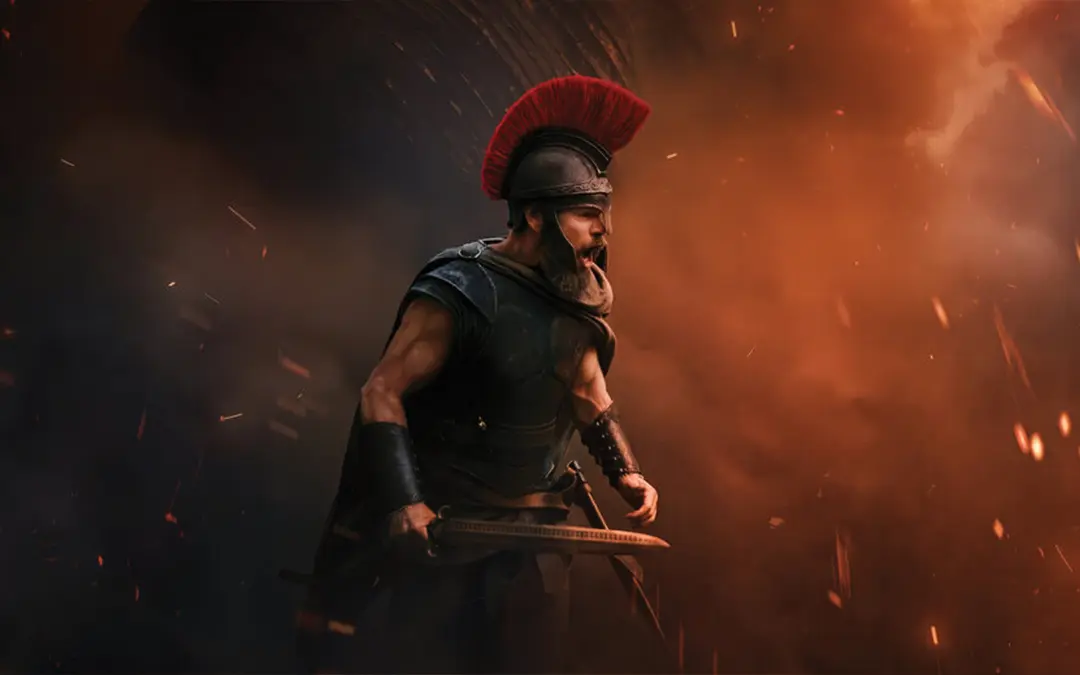
- Unmatched Visual and Auditory Scale: Shot entirely on IMAX 70mm cameras by cinematographer Hoyte van Hoytema, the film offers extraordinary physical detail. The crash of the Aegean waves, the sheer weight of rolling siege engines, and the claustrophobic darkness of the underworld possess a tactile, analog quality that modern CGI rarely replicates.
- Matt Damon’s Weathered Hero: Damon plays Odysseus as an exhausted, Gary Cooper-style trickster warrior whose strength is continually undermined by internal guilt. His performance carries quiet steel and vulnerability, grounding the mythological scale in human emotion.
- Standout Supporting Performances: Robert Pattinson steals scenes as the snide, ruthless suitor Antinous, while Anne Hathaway gives Penelope a seething, resilient dignity that anchors the domestic side of the story in Ithaca.
- Bold Structural Reinterpretation: By cutting between time periods and mixing sources like The Aeneid alongside Homer, Nolan and editor Jennifer Lame turn a familiar fable into a complex meditation on how civilizations remember war and craft their own myths.
Where the Epic Struggles: Episodic Pacing and Underused Cast
- Sluggish Midsection: Because The Odyssey is inherently episodic, the narrative momentum occasionally stumbles. The extended beach sequences involving Calypso (Charlize Theron) slow down the driving pace of the middle act.
- Underutilized Figures: Despite a star-studded cast, certain roles—such as Lupita Nyong’o playing dual roles as Helen of Troy and Clytemnestra—feel brief and fleeting given the sheer volume of characters competing for screen time.
The Verdict
The Odyssey is a massive, uncompromising cinematic feat that demands to be seen on the largest screen available. Christopher Nolan strips away the fluff of classical fantasy to deliver a heavy, beautifully shot, and emotionally resonant epic about war, guilt, and the grueling journey home.
TL;DR / Key Facts
- The Release: Directed by Christopher Nolan, Universal Pictures’ 172-minute mythological epic The Odyssey launched in IMAX and premium formats worldwide on July 17, 2026.
- The Milestone: Made history as the first feature film shot entirely on IMAX 70mm film cameras, generating $900+ million globally and dominating summer box office conversations.
- The Ensemble: Matt Damon stars as the war-weary king Odysseus, alongside Anne Hathaway as Penelope, Lupita Nyong’o in dual roles as Helen of Troy and Clytemnestra, Charlize Theron as Calypso, Robert Pattinson as Antinous, Tom Holland as Telemachus, and John Leguizamo.
- The Blueprint: Rather than a simple linear retelling of Homer’s poem, Nolan blends elements from The Iliad, The Aeneid, and classical histories to construct a non-linear, grounded examination of war trauma, guilt, and the collapse of the Bronze Age.
- Critical Verdict: Generally praised as a colossal technical achievement and a bold reinvention. While some critics find the episodic structure and beach sequences slightly sluggish, its IMAX 70mm visuals, sound design, and grounded character stakes make it one of 2026’s defining cinematic events.