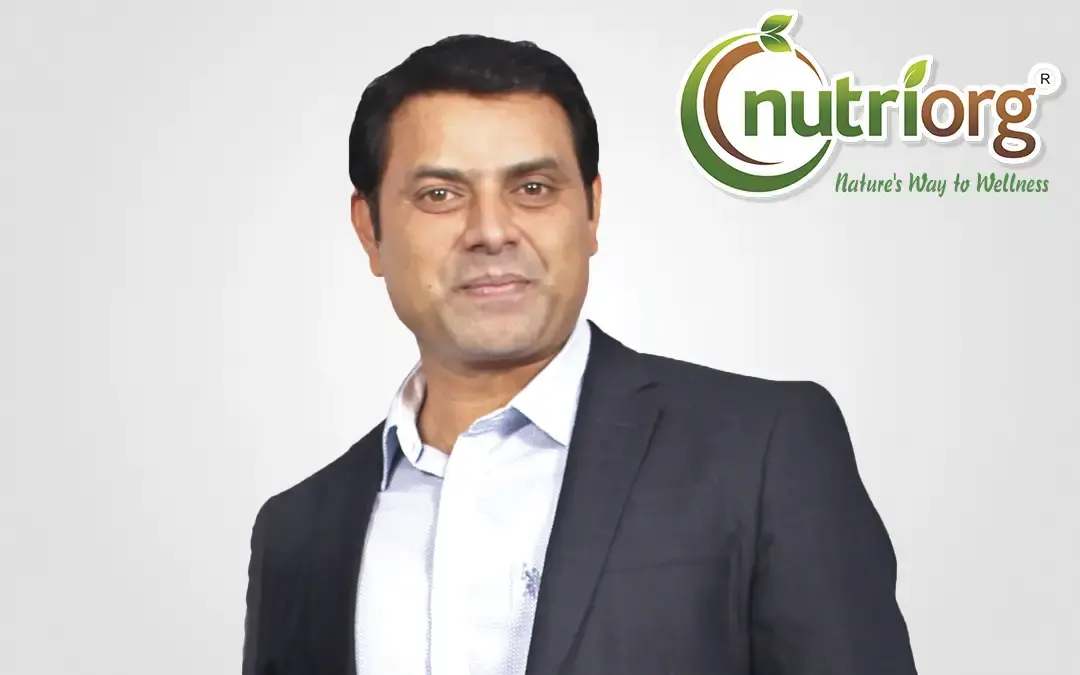
In an era where health and sustainability are becoming central to lifestyles, Mr. Karan Singh Tomar, Founder & CEO of Nutriorg, is pioneering India’s organic revolution. With a mission rooted in Ayurveda, farmer empowerment, and innovation, he is showing how even small pieces of land can be transformed into profitable, sustainable ventures.
In Conversation with Karan Singh Tomar
On Organic Farming, Entrepreneurship, and Transforming Land into Livelihoods
Q1: Mr. Tomar, many young people are curious about building a career in organic farming. How did Nutriorg start, and what opportunities exist for newcomers?
Ans: Nutriorg started with a simple vision: to make organic food accessible while empowering farmers. Organic farming is no longer just about lifestyle choices; it’s a viable business opportunity. With growing demand for chemical-free food, anyone—from students to working professionals—can enter this sector. Even a small piece of land can generate income through smart crop selection, organic produce, or value-
added products like oils, juices, and cereals.
Q2: Can a small landholding really be profitable? How should one start?
Ans: Absolutely. Small plots can be transformed into high-yield, high-value farms. The key is to choose crops wisely, focus on quality over quantity, and integrate modern techniques with traditional practices. Starting with organic vegetables, herbs, or superfoods allows for faster turnover. Once stable, one can expand into processed or packaged organic products. Partnerships with companies like Nutriorg can help new farmers access markets, training, and fair pricing.
Q3: What skills or knowledge are essential for someone entering this field?
Ans: Passion for sustainability is a must, but practical skills matter too. Knowledge of soil health, organic fertilizers, crop rotation, and pest management is essential. Business skills like marketing, branding, and basic accounting help turn farming into a profitable venture. Technology adoption, such as AI-driven yield prediction or online marketplaces, can dramatically scale small operations.
Q4: How do policy changes, like GST reforms, support small farmers and entrepreneurs?
Ans: Policy reforms make a huge difference. Lower GST rates on agricultural inputs and organic foods reduce costs, increase affordability, and improve margins for small farmers. This means even a small farm can invest in better seeds, equipment, and storage facilities—ultimately making it more profitable and sustainable.
Q5: How can aspiring farmers align with market demand while staying organic?
Ans: Market research is critical. Focus on crops that are in demand for health and wellness—herbs, superfoods, and immunity-boosting produce are excellent choices. Certifications like India Organic or USDA Organic enhance trust and fetch premium pricing. Direct-to-consumer channels, farmer cooperatives, or tie-ups with wellness brands also help in achieving higher returns.
Q6: Do you see technology playing a role for small-scale organic farms?
Ans: Absolutely. Technology democratizes access. Even small farmers can use AI-based tools to monitor soil health, predict crop yields, and plan harvests efficiently. E-commerce platforms can help reach a larger market. In the near future, technology will allow small farms to operate with the efficiency of large-scale operations, making them highly competitive.
Q7: Finally, what advice do you have for someone wanting to turn a small piece of land into a sustainable business?
Ans: Start small, focus on quality, and be patient. Understand your land, choose crops wisely, and embrace organic principles. Partner with experts, leverage government schemes, and use technology wherever possible. Most importantly, approach farming with a long-term vision: you are not just growing crops, but wellness, livelihoods, and sustainability.
Discover more empowering stories and insightful content like this on YOUxTalks, your go-to destination for inspiration and knowledge.
Follow YOUxTalks on Instagram: https://www.instagram.com/youxtalks