
TL;DR / Key Facts
- The Situation Room Convening: U.S. President Donald Trump held an urgent, two-hour meeting with top national security aides to make a “final determination” on a proposed 60-day ceasefire extension with Iran.
- Economic Stakes: The primary objective of the diplomatic push is to officially de-escalate military friction and fully reopen the Strait of Hormuz, a choke point vital to global oil shipping.
- Tehran’s Counter-Stance: While Washington indicates an agreement framework is drafted, Iranian negotiators, including Mohammad Baqer Qalibaf, warned the terms are not finalized.
- Military Rebuilding: Iranian officials explicitly noted that the brief pause in active hostilities has been utilized to aggressively rebuild their regional defense capabilities.
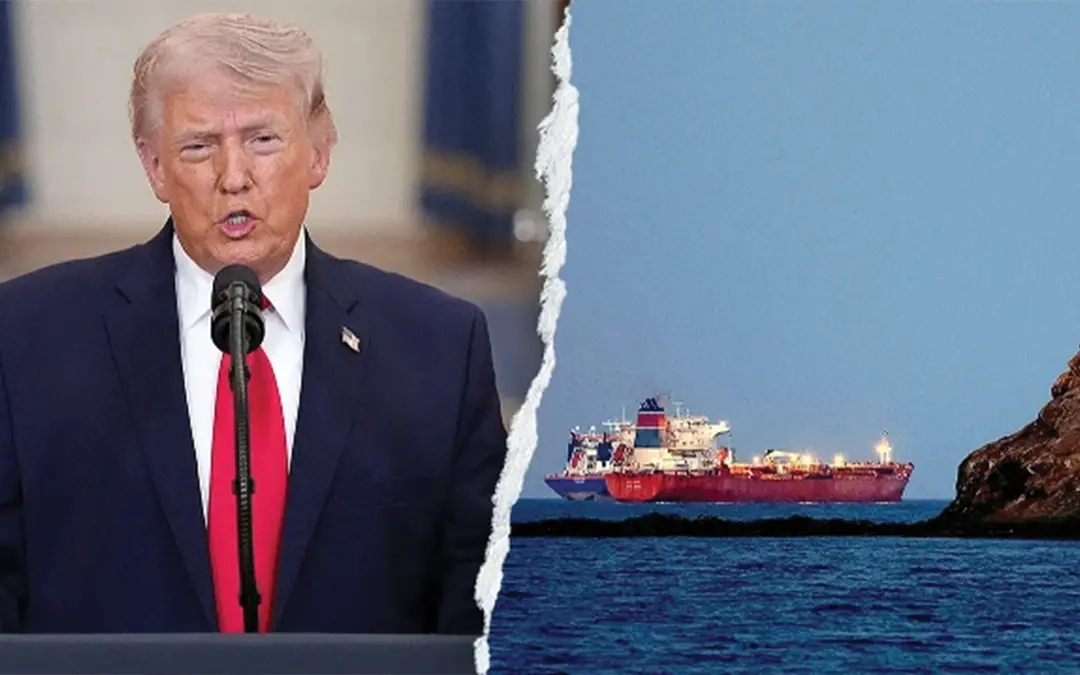
Global energy markets and maritime logistics networks are watching Washington with intense scrutiny as a fragile diplomatic opening faces a critical decision point. In the White House Situation Room, U.S. President Donald Trump convened a high-stakes, two-hour session with his primary national security advisors to chart the next steps regarding an unexecuted 60-day ceasefire extension with Iran.
The Core Conflict: Reopening the Global Oil Choke Point
The fundamental objective driving these urgent diplomatic maneuvers is the stabilization of the Strait of Hormuz. Months of escalating military friction have severely disrupted transit through the narrow waterway, which serves as the world’s most critical maritime transit channel for crude oil.
- The Proposed Truce: The drafted framework outlines a 60-day pause in active hostilities, designed to provide a cooling-off period, pull naval assets back from direct confrontation lines, and fully restore safe commercial shipping.
- Market Pressures: The prolonged instability has sent global Brent crude prices fluctuating wildly. Energy analysts warn that failure to secure this temporary extension could trigger an immediate spike in global oil prices, adding intense pressure on domestic inflation and international trade stability.
Washington’s Optimism vs. Tehran’s Friction
While insiders within the U.S. administration suggest that a viable, structured agreement framework has been successfully put to paper, the rhetoric emanating from Iran tells a much more complicated story.
Tehran’s top political figures and negotiators, including prominent official Mohammad Baqer Qalibaf, issued public cautions indicating that the diplomatic breakthrough is far from guaranteed. Iranian leadership explicitly stated today that the terms of the extension remain unfinalized.
A Tactical Pause for Rearmament?
Perhaps the most concerning variable for White House advisors is Iran’s candid admission regarding the nature of the current lull in fighting. Rather than viewing the temporary dip in active conflict as a bridge to a permanent peace treaty, Tehran openly acknowledged using the brief pause in hostilities to actively reinforce, restock, and rebuild its defensive and missile capabilities in the region.
This revelation has created a deep division among Washington policymakers. While some advisors view the 60-day extension as a necessary evil to stabilize global trade, hardliners in the administration argue that a truce merely allows Iran to prepare for a more potent secondary conflict, leaving the long-term safety of international vessels entirely compromised.
Discover more empowering stories and insightful content like this on YOUxTalks, your go-to destination for inspiration and knowledge.
Follow YOUxTalks on Instagram: https://www.instagram.com/youxtalks


